How to Safely Enable Root Access in Cx File Explorer
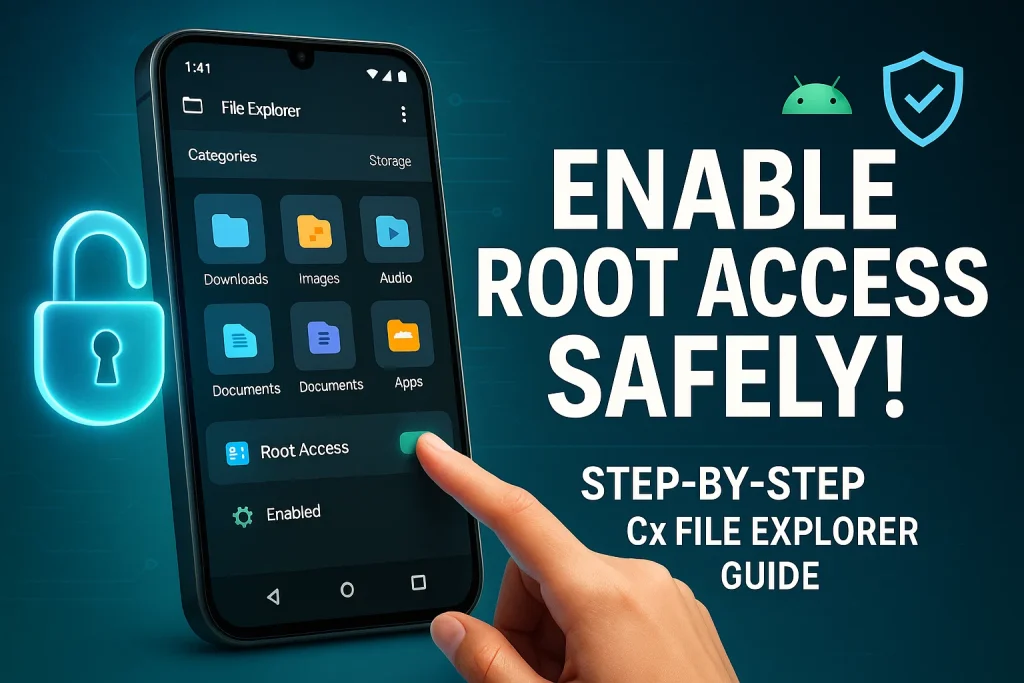
Gaining root access on your Android device can feel like unlocking a hidden superpower, but it comes with its own set of risks. Many users hesitate because they’re unsure how to safely manage root permissions without breaking their device or losing important data. If you’ve ever wondered how to navigate this safely in Cx File Explorer, you’re in the right place.
We understand that tinkering with root access can be intimidating. You want freedom over your device without compromising its security, and that’s exactly why this guide is built with clarity and trust in mind. Drawing on expert-tested methods, we’ll walk you through every step to ensure your Cx File Explorer root setup is safe and reliable.
By the end of this guide, you’ll have a clear roadmap for enabling root access securely, along with practical tips to avoid common pitfalls. Unlike generic tutorials, this article focuses on safety, compatibility, and best practices so you can manage your files confidently. You’ll also find insights on troubleshooting in cx file explorer, device backup, and maintaining secure root-enabled apps, making it a complete resource for both beginners and advanced users.
Precautions Before Enabling Root Access
Before you dive into rooting your device using Cx File Explorer, taking some precautions can save you from headaches later. Here are the key steps to stay safe:
- Backup Your Data – Imagine losing all your photos, apps, and settings in a single mistake. Always create a full device backup before enabling root access. Tools like Google Drive or third-party backup apps can make this quick and reliable.
- Understand the Risks – Rooting opens up your device to powerful features but also potential threats. Know that improper steps can lead to data loss, app crashes, or security vulnerabilities. Being aware helps you act cautiously.
- Check Device Compatibility – Not all Android devices behave the same. Confirm that your phone model and Android version support safe root access via Cx File Explorer to avoid bricking your device.
- Enable Developer Options Carefully – You’ll need developer settings and USB debugging for some rooting methods. Only toggle what’s necessary and avoid changing other system settings that could disrupt your device.
- Install Security Apps – Even after rooting, it’s smart to keep a trusted antivirus or security app active. This adds a safety layer against apps that misuse root permissions.
- Stay Informed About Updates – Rooted devices can sometimes conflict with Android system updates. Keep an eye on software updates and read notes carefully before installing anything.
Following these precautions ensures that enabling root access in Cx File Explorer is smooth, secure, and reversible if needed. Think of it like putting on protective gear before riding a bike—small steps now prevent major problems later.
Steps to Safely Enable Root Access in Cx File Explorer
Enabling root access might sound complicated, but with careful steps, you can do it safely. Here’s a simple, step-by-step guide:
- Enable Developer Options – Go to Settings → About Phone → Build Number and tap it 7 times. This unlocks developer options on your device, which are essential for managing root permissions.
- Turn On USB Debugging – Inside Developer Options, toggle on USB Debugging. This allows tools like Cx File Explorer to communicate with your device safely without causing system errors.
- Install a Root Management App (Optional but Recommended) – Apps like Magisk Manager or SuperSU help control which apps get root access, giving you extra security.
- Grant Root Permissions in Cx File Explorer – Open Cx File Explorer, navigate to the settings for root access, and toggle it on. When prompted, approve the root request via your root management app.
- Verify Root Access – Use the Root Checker app or the built-in verification in Cx File Explorer to ensure your device has proper root permissions. This avoids surprises later when certain apps fail to work.
- Start Carefully – Begin by accessing system folders cautiously. Avoid deleting or modifying system files unless you’re confident, because mistakes can cause crashes or boot loops.
By following these steps, you’ll have root access in Cx File Explorer safely enabled, giving you control over your device while minimizing risks. Think of it as learning to drive a powerful car—you want to master the basics before hitting full speed.
Best Practices After Enabling Root Access
Once you’ve safely enabled root access in Cx File Explorer, following some smart practices can keep your device secure and stable. Here’s what to do:
- Avoid Deleting System Files Recklessly – With root permissions, it’s tempting to explore and remove system files. But altering essential Android system files can cause crashes or even boot loops. Always double-check before deleting anything.
- Limit Root-Enabled Apps – Only grant root permissions to apps you trust. Too many apps with root access can create vulnerabilities and compromise your device’s security.
- Regularly Backup Your Device – Rooting doesn’t protect against accidental errors. Keep frequent device backups, so you can restore everything if something goes wrong.
- Monitor Root Activity – Use tools like Magisk Manager or security apps to track which apps request root access. This helps prevent malicious apps from misusing your elevated permissions.
- Stay Cautious with System Updates – Some Android updates may not be compatible with rooted devices. Read update notes carefully and delay installation if necessary to avoid conflicts.
- Keep Security Apps Active – Even after rooting, having a reliable antivirus or security app ensures protection against malware targeting devices with root access.
Following these best practices ensures your Cx File Explorer root experience is smooth, secure, and risk-free. Think of it as maintaining a high-performance car—you’ve unlocked its power, but regular care keeps it running safely.
Conclusion
Enabling root access in Cx File Explorer opens up powerful possibilities for managing files and customizing your device. We covered the essential precautions, step-by-step instructions, and best practices to help you do it safely. By following these guidelines, you can enjoy full control over your Android system while minimizing risks like data loss, app crashes, or security vulnerabilities.
While rooting offers flexibility, it’s not for everyone. Some users might prefer sticking to standard file management to avoid potential complications. Ultimately, whether you choose to explore advanced root features or stay cautious, understanding the process and safety measures is key to a smooth experience.
If you found this guide helpful, feel free to leave a comment with your questions or experiences. Share it with friends who might benefit, and remember, our support team is always ready to assist you with any confusion regarding Cx File Explorer root access. Your feedback helps us make guides even more practical and reliable.